
Implants have turn out to be a widely sought-after and durable option for people with lost tooth, giving a natural-looking replacement option. However, the steep charges can frequently stop people from opting for this specific treatment method, as they can range from thousands of dollars to a substantial amount, varying based on many factors.
In this article, we investigate the causes behind their expensive prices. By knowing the factors behind the elevated cost of this treatment, you will gain much better understanding on the value they offer and the investment required.
Hence, let’s delve into the details and uncover the cost of teeth implants.
The Dental Implant Treatment
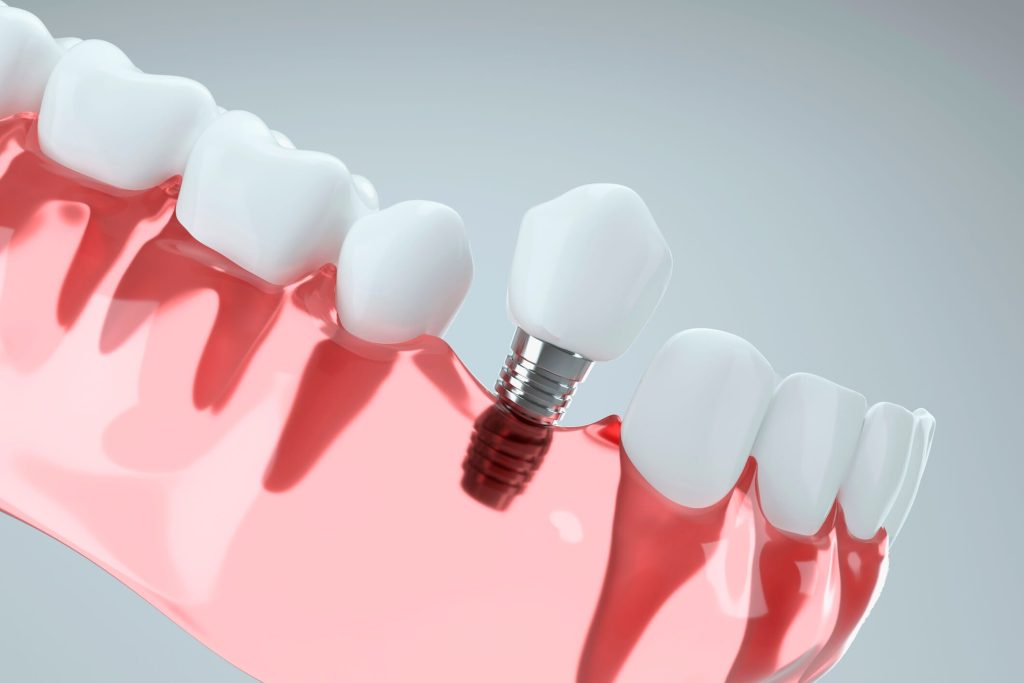
The implant technique is a complete method that involves various steps to guarantee a productive end result. Grasping the levels involved and the complexity of the operative procedure can easily simplify the reasons why teeth replacement is often expensive.
- First consultation: This is where your dental history is examined, and a detailed examination, generally including radiologic images or even CT scans, is carried out to examine your dental health.
- Deciding for the Treatment: After initial consultation outcomes, a tailored treatment plan is designed. This stage may involve specialists for instance periodontists or oral surgeons.
- Tooth extraction (if required): If a damaged tooth exists, it has to be eradicated prior to Placement of new tooth.
- Bone grafting (if required): In instances where the jawbone isn’t thick enough or is too tender, bone grafting procedure is required to give a firm base.
- Placement: Here, the implant, made from titanium, is carefully placed into the jawbone, acting as a base for new tooth. The process is usually done under local anesthesia.
- Healing and osseointegration: Once the fixture is positioned, a very important step of recovery begins, identified as osseointegration, in which the jawbone evolves around the fixture, anchoring it firmly in the jaw. This particular phase can take a few months.
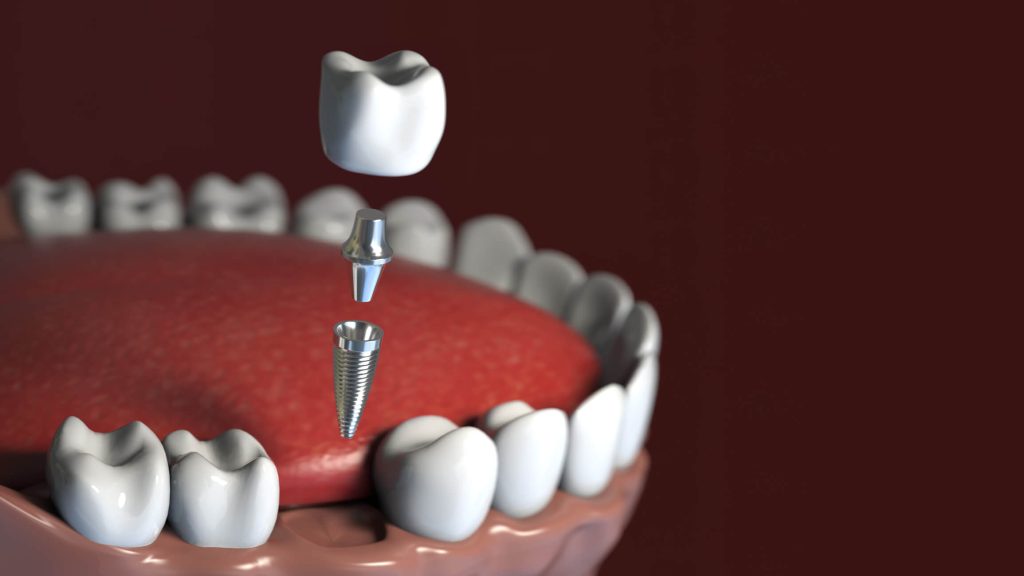
- Abutment placement: Once osseointegration is complete, the abutment, which will secure the crown, is positioned over the implant.
- Placement of the prosthetic tooth (crown): Finally, a personalized crown is connected to the abutment, concluding the treatment.
Elements Involved in the Procedure
The treatment involves several elements, each providing to the complete cost:
| Component | Description |
| Dental Implant | A metal post surgically inserted into the jaw. |
| Connector | An attachment that attaches the implant to the crown. |
| Crown | A custom-made cap positioned atop the abutment. |
| Extra Treatments | This may include removing teeth, grafting of bone, or computerized tomography scans. |
Complication of the Surgical Process
The intricacy involved in the procedure is a key factor in its cost. Here’s why:
- Surgical precision required: Surgical procedures need high perfection to avoid damaging crucial set ups for instance sinuses and nerves. This accuracy necessitates a lot of training and knowledge.
- Tailoring: Each dental implant is personalized for the patient’s dental structure, necessitating detailed preparation as well as custom manufacturing of components.
- Materials: Teeth implants use biocompatible, high-quality materials for example titanium and porcelain for endurance and aesthetics.
- Numerous levels and healing time: This method spans several months, requiring multiple consultations and phases, all contributing to the total cost.
- Specialized equipment: State-of-the-art equipment for example 3D imaging and even surgical manuals utilized in the process also increase the price.
Required Skills and Expertise
The required skills of the dental professionals also considerably influence the fee for implants.
The significance of selecting a Qualified and Experienced Dental professional
Choosing the best dentist is not just a matter of convenience but a vital choice influencing the results of the procedure:
- Success rate of dental implants: A 2017 research in the International Journal of Prosthodontics shows that skilled dental practitioners have better outcomes with implants because of their ability to manage complex situations as well as unexpected difficulties. [1]
- Customized care: Competent dentists tend to be more efficient at constructing customized treatment strategies, taking into consideration the special dental health needs of each patient.
Specialized Training and Expertise Required for Effective Placement
Dental implantation requires a mixture of specific training as well as practical knowledge:
| Aspect | Description |
| Surgical Skills | Expertise in surgical procedures specific to dental implant placement. |
| Prosthodontics Training | Expertise in constructing as well as placing synthetic tooth. |
| Periodontics Expertise | Understanding of the mouth structures supporting teeth, essential for implant success. |
| Ongoing Learning | Dentists must stay updated with the latest improvements and techniques in implant dentistry. |
One 2016 study from the International Journal of Implant Dentistry highlights the fact that not all qualified dentists are always competent in implantology. [2] As a result, it is important for dentists to continue their education and training to stay up-to-date with the latest advancements.
Materials and Technology Used
Implantation expenses isn’t only an expression of the expertise required but in addition a proof to the advanced materials and technology utilized in their design and installation.
Materials Overview
Dental implants are composed of various materials that are essential for their strength, bio-compatibility, and longevity. Here are the main materials used:
- Titanium: This metal is regarded as the widely used material regarding teeth implants. It is known for its excellent biocompatibility, ability to resist deterioration, and ability to incorporate with the jawbone, a process referred to as osseointegration. Additionally, titanium dental implants have been thoroughly studied and proven to have high success rates. [3]
- Ceramic: Often known as zirconia implants, ceramic options are an alternative choice to titanium ones. They’re constructed from zirconia, a sturdy and biocompatible material, and cost more than their titanium counterparts. [4] Ceramic implants deliver the edge of being tooth-colored, which makes them a preferred option for clients with aesthetic concerns.
| Factor | Titanium | Zirconia | Observations |
| Material Cost | Lower on average | Higher on average | Titanium is more commonly used and widely available, which often can make it less expensive as compared to zirconia. |
| Durability | Extremely high | Considerably high | Titanium is popular for its outstanding strength and longevity, though zirconia is also quite resilient. |
| Aesthetic Appeal | Less tooth-like | More tooth-like | Zirconia dental implants tend to be preferred for their color and resemblance to natural teeth. |
| Biocompatibility | Very high | Exceptionally high | Both materials are biocompatible, but zirconia is sometimes selected for patients with metal sensitivities. |
| Surgical Complexity | Typical | Can be more complex | Zirconia dental implants might require more precise handling during surgical procedure due to their one-piece design. |
| Long-Term Success Rate | Extensively documented | Fewer studies available | Titanium dental implants have a more extensive history, with ample research supporting their long-term success. |
| Overall Cost | Lower generally | Generally higher | The higher material cost of zirconia, along with the potentially more complex procedure involved, can make these implants more costly. |
Improvements in Implant Technology
Advancements in technology have considerably improved the success rate and functionality of tooth implants, which also has an effect on their cost:
- 3D imaging and Computer-Aided Design (CAD): Enables for precise planning and personalization, resulting in better results but also higher costs because of the advanced technology .
- Computer-Aided Manufacturing (CAM): Used in conjunction with CAD for the production of customized and highly precise implants and prosthetics. [5]
- Surface modifications: Techniques like sandblasting and plasma spraying are used to improve osseointegration, boosting stability and longevity.
- Less invasive surgical techniques: Recent technological advancements have made surgeries less invasive, reducing recovery time but requiring specialized equipment and training.
Laboratory Fees and Customization
A significant portion of the cost associated with dental implants can be attributed to laboratory fees and the customization process.
Costs Linked to Fabrication and Customization
The fees for the process of fabrication are influenced by several factors:
- Employed technology: As highlighted earlier, innovative technologies like CAD/CAM increase the price due to their accuracy and the skill required to operate that technology.
- Labor intensive: The procedure is requires a lot of labor, needing skilled technicians and considerable time.
How the Individualized Nature of Dental implants Impacts Cost
The cost of custom-made dental implants is reflected in their tailored nature:
- Custom fit and functionality: Each dental implant is personalized to match the client’s special mouth structure, ensuring functionality and comfort.
- Considerations for aesthetics: Customization enables a more natural appearance, mirroring the color and shape of the patient’s existing teeth.
- Success over the long term: Well-fitted dental implants have a greater chance of success as well as endurance, reducing the need for additional adjustments or replacements.
Further Treatments and Procedures
The overall cost of tooth implants often extends beyond the implant itself, covering numerous additional treatments and procedures.
Potential Pre-Implant Treatment Requirements
Pre-implant treatments are sometimes necessary to prepare the mouth for the surgical treatment:
- Bone grafting: In case the jawbone is too thin or soft, bone grafting is then required to offer a solid base for the implant. The expense of bone grafting treatments can vary from $200 to $1000, based on the complexity of the case and also the type of grafting material used.
- Lifting of the sinus: In cases where implants are to be placed in the upper jaw, a sinus lift may be necessary to ensure adequate bone to support the replacement. The cost might range between $1500 to $3000 for every side.
- Tooth extractions: If teeth that are damaged are present, they need to be removed before placement, further increasing the cost.
Potential Complications
While dental implants boast a high success rate, complications can arise, potentially influence the overall cost:
- Infections: Necessitate treatment with antibiotics or an additional surgery.
- Implant failure: In the rare event that the implant fails to integrate with the bone, it may need to be removed and replaced.
- Damage to nerves: While rare, nerve damage during surgery can lead to further treatments.
Post-Implant Treatments
Once the implant has been placed, more components are needed:
- Abutment pieces: They connect the implant to the crown. The cost depends on the material used (titanium, zirconia, etc.).
- Crowns: This is the visible part of the implant, crafted to resemble the natural teeth. The cost varies depending on the material (porcelain, ceramic, etc.) and how much customization.
Ongoing Care and Maintenance
Often overlooked in terms of cost is the follow-up and maintenance, necessary to ensure the longevity and functionality of your artificial teeth:
- Check-ups: Necessary to check the health of the implantation, surrounding tissues, and general teeth’s health.
- Cleaning by a professional: May be necessary to keep the dental implant and surrounding gums in good condition.
- Oral hygiene products: Patients may need to invest in specific items like inter-dental brushes, antimicrobial rinses, or water flossers specific to implants.
Understanding Insurance and Financing for Implants
Getting to know the insurance coverage and financing opportunities at hand can help ease concerns about the procedure’s cost.
Dental Implant Insurance Coverage
Coverage for dental implants differs widely:
- Some coverage: A number of insurance policies may provide coverage for a portion of the expense of dental implants.
- Exclusions: Various plans might not cover implants, viewing them as a cosmetic process.
- Annual maximums: Numerous insurance plans have annual spending limits, that might only cover a small part of the total cost.
In taking into consideration insurance, it’s important to be aware of the restrictions:
- Waiting periods: There are waiting periods before you can claim benefits for certain procedures.
- Existing conditions: Plans might not cover implants if the tooth loss occurred before the insurance was purchased.
- Percentage of coverage: Insurance may only cover a specific percentage of the procedure, leaving the person covering the remainder.
Financing Options Available to Patients
For those without insurance coverage or who are facing high out-of-pocket costs, several financing options exist as a way to ease financial stress:
- Installment plans: Numerous offices provide payment plans allowing patients to finance dental implants over an extended period.
- Healthcare credit cards: Specific credit cards for healthcare can offer interest-free periods or easy-to-manage payment plans.
- Personal loans: Some individuals opt for personal loans to cover the price, specifically with good credit.
At Louisville Dentures and Implants, we recognize that tooth implants represent a substantial investment in your health. That’s why we provide payment plans through various financing providers, making these life-changing solutions more accessible and fitting into your budget.
Final Takeaway: Why Are Dental Implants So Costly?
Dental implants are commonly seen as an investment with big charges, and rightly so. On the other hand, it is clear that this kind of cost is a reflection of the value they give. From the high-quality materials and cutting-edge technology for the design to the expert knowledge and skills necessary for their successful placement, each aspect of dental implantation justifies its cost.
Book a Complimentary Consultation

Considering dental implants? We at Louisville Dentures and Implants are here to assist. Reap the benefits of our amazing offer for a free appointment and allow our fully committed team help you achieve a healthful along with long lasting smile.
Schedule your free appointment right now and start off your journey towards a confident, implant-supported smile!
References
- Chrcanovic, B., Kisch, J., Albrektsson, T., & Wennerberg, A. (2017). Impact of different surgeons on dental implant failure. The International Journal of Prosthodontics, 30(5), 445–454. https://doi.org/10.11607/ijp.5151
- Kim, N. Y., & Stagnell, S. (2018). Postgraduate education in dental implantology in the United Kingdom: A review. International Journal of Implant Dentistry, 4(1), 1-6. https://doi.org/10.1186/s40729-017-0115-1
- Esteves Fernandes, P. R., Pelaez Otero, A. I., Hasse Fernandes, J. C., Nassani, L. M., Castilho, R. M., & Fernandes, O. (2022). Clinical Performance Comparing Titanium and Titanium–Zirconium or Zirconia Dental Implants: A Systematic Review of Randomized Controlled Trials. Dentistry Journal, 10(5). https://doi.org/10.3390/dj10050083
- Lemos, C. A. A., Verri, F. R., Gomes, J. M. D. L., De Souza Batista, V. E., Cruz, R. S., Oliveira, H. F. F. E., & Pellizzer, E. P. (2019). Ceramic versus metal-ceramic implant-supported prostheses: A systematic review and meta-analysis. The Journal of Prosthetic Dentistry, 121(6), 879-886.e4. https://doi.org/10.1016/j.prosdent.2018.09.016
- Abduo, J., & Lyons, K. (2013). Rationale for the use of CAD/CAM technology in Implant Prosthodontics. International Journal of Dentistry, 2013, 1–8. https://doi.org/10.1155/2013/768121